The most recognizable corporate mascot is now public domain. So now what?
Yes, it finally happened. After decades of lobbying and legislative battles over copyright laws, The Walt Disney Company has finally lost copyright over its most iconic character, Mickey Mouse. Well, sort of.
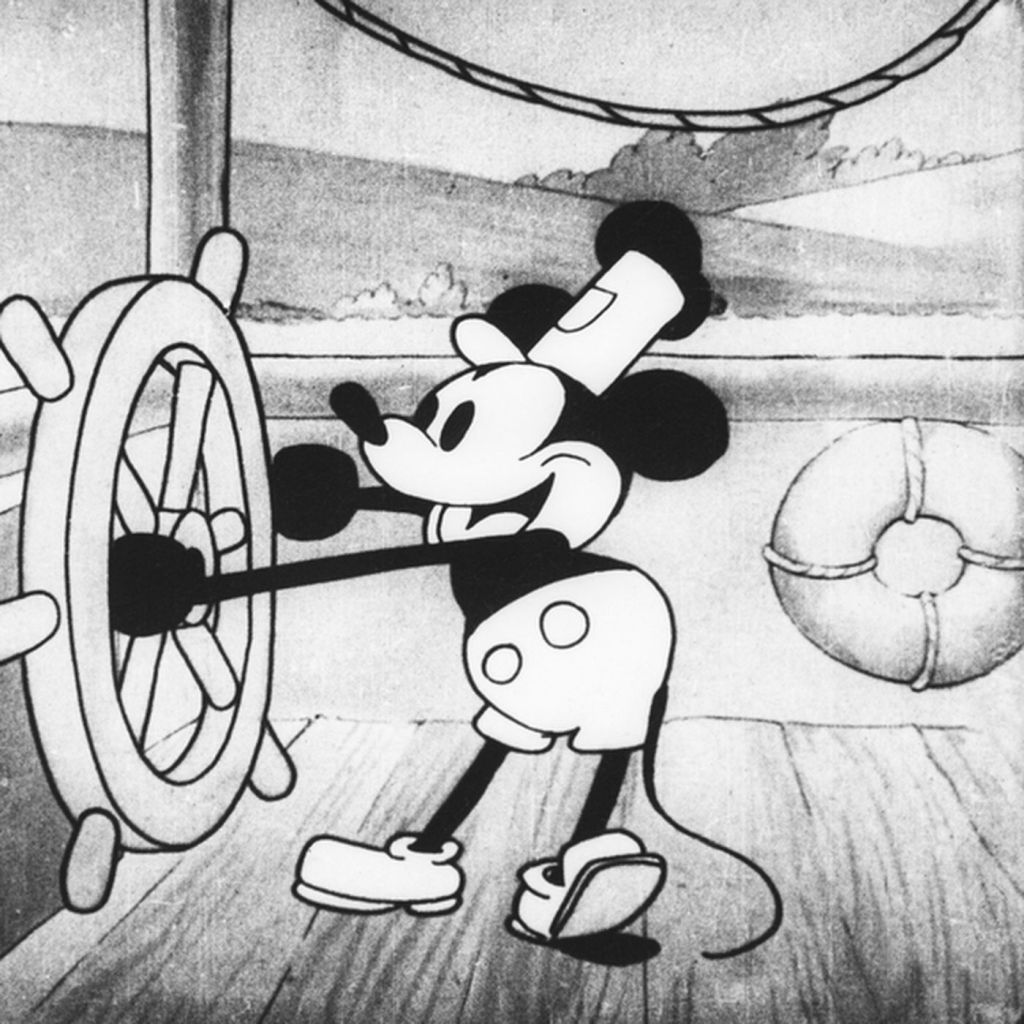
At this point most of us have seen the myriad of articles and YouTube clips breaking down just what exactly it means for the Mickey Mouse to enter into the public domain. At least, at a legal level. While I’m not really super interested in discussing all the legal specifics of what one can or can’t officially do with the character of Mickey Mouse, in short, the original Steamboat Willie cartoon and all these early versions of the characters can now be used by anyone for their own artistic adaptations. However, any aspect of the character that came AFTER is still under the protection of copyright law. If you are more interested in these specific, you can link to these two videos by John Campea and Corridor Crew that do a better job at explaining this topic.
With that out of the way, I would rather focus on exploring the different implications that such a change in Mickey’s copyright can bring to the creative world. What does it mean for the for this character, an instantly recognizable brand and polished corporate mascot, to become legally and creatively accessible for the public to reimagine and redistribute?
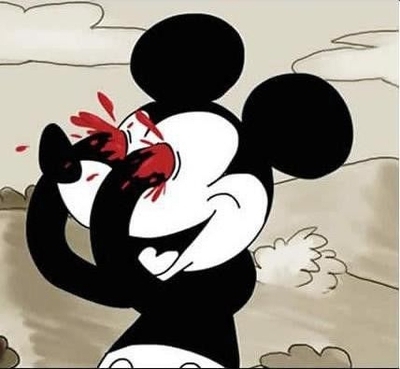
Over the past few days, the social media has swiftly provided one answer to this question, having become completely inundated with memes and post celebrating/ mocking Mickey’s new copyright status through the most violent, offensive, and sexually explicit content of the beloved cartoon character. The vast majority of these crude, offensive, and explicit images were, however, the exact same type of post that people have always created online, and have always been able to create. Except its “legal” now, I suppose. Whatever that means.
This immediate onslaught of twisted subversion is inevitable of course. When people are given the legal freedom to transform something for their own, the first instinct of many is to flip it into the complete opposite of what those images and characters are supposed to represent. At least, by the most creatively bankrupt. Just last year we saw Winnie-the-Pooh receive the same treatment with the release of Winnie the Pooh: Blood and Honey when the original 1926 book went into the public domain. Just hours into 2024, a number of graphic Mickey Mouse horror projects were announced. Sex, violence, gore. Yawn.
Now, I’m not saying that there is absolutely no artistic merit to subverting a wholesome character in a comedically twisted way to reflect a darker or more cynical world. However, these immediate creative questions and directions have little to add substantively anymore.
Wouldn’t it be funny to make the most wholesome figure like Winnie the Pooh say a naughty word? Or become a psychotic killer? Or a deranged sex addict? The questions, while funny and at some point interesting, are nothing but played out.
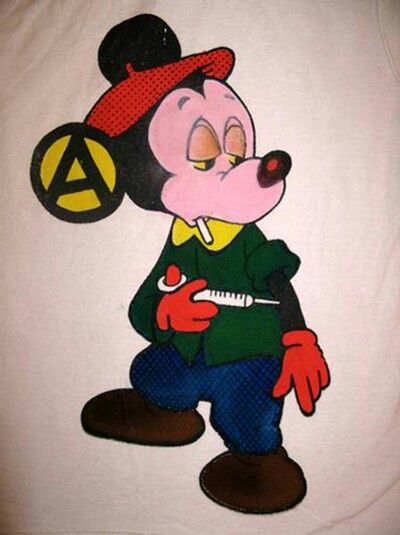
Artists like Wally Wood have been doing just that since the 70s. Southpark and The Simpsons have spent decades mocking Mickey Mouse as the evil mascot of the Disney corporation, even before the Simpsons themselves were absorbed by the conglomerate. These dark parodies, while avoiding using the exact name of Mickey Mouse, were always protected by copyright anyway because their depictions of Mickey commented on original art in order create new meaning and interpretation.
Projects like Blood and Honey (2023) or Mickey Mouse Trap (2024) had to wait for copyright laws to expire because these so-called parodies offer little to no transformative value to the original material. That enough should tell you how unoriginal and uncreative these interpretations have become. No, it’s not subversive anymore to make Mickey or similar characters violent killers. No, it’s not shocking anymore to see explicit content associated with these children’s cartoons. It just annoying. And lazy.
It’s not dissimilar to how recent films and TV shows have chosen to adapt the character of Superman; the endlessly optimistic and virtuous comic character which has been turned into a darker and sadistic killer in satiric projects like The Boys (2019-), Invincible (2021-), Brightburn (2019), or even official DC projects like Man of Steel (2013) and Injustice: Gods Among Us (2013).
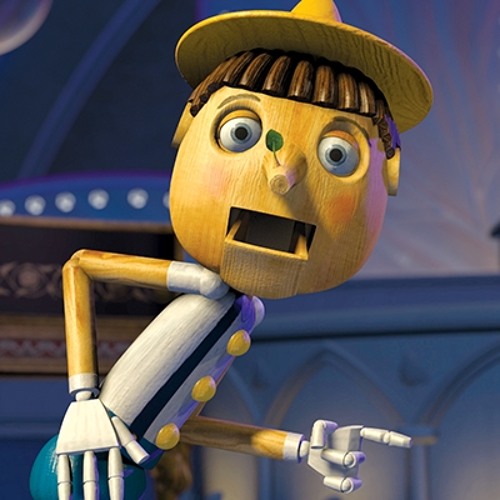
Even the more original suggestions and ideas of what to do with characters like Mickey, such as having competing animation company DreamWorks use Mickey Mouse as the new antagonist in the Shrek franchise, still ultimately play on these same tropes of basic subversion and would really be no different than what the Shrek films have always done; mock Disney’s clean image thorough its irreverent use of public domain characters popularized by the wholesome Disney adaptations.
So is that the limit to what public domain means for these types of characters? What can be done with these archetypal characters that is truly transformative and achieves what the public domain laws have always meant to do? To allow art to evolve. To remain alive and transform. Where else can this character go?
Well, for starters, one can start by making Mickey an actual character again.
Being the protected and valuable face to a multibillion-dollar conglomerate, the “character” of Mickey has needed to remain accessible to all audiences, ceasing to function as a character and rather simply exists as an inoffensive brand mascot. Clean, simple, and two-dimensional. A rigid icon only malleable enough to be endlessly plastered onto every t-shirt, mug, and poster design imaginable. For generations Mickey has suffered the ultimate fate of all heavily copyrighted and protected characters; becoming diluted to the point of functioning only as a branding icon with bare personality and attitude no different than other branding mascots like Hello Kitty. In many ways, the endpoint of flanderization.
Needing to maintain this clean corporate image, Mickey’s depiction and characterization in different forms of media has resulted in an often boring and unspecific character. Compared to other enduring cartoon characters from era like Bugs Bunny or even Goofy, it is difficult to pinpoint unique aspects of the Mickey Mouse character. Bugs Bunny is cunning, sarcastic, cool. Mickey mouse is… joyful? Optimistic, sure. Some animated shorts have depicted him as tenacious and at times frustrated. But overall he’s generally simply presented as simply pleasant. It’s easy to be pleasant.
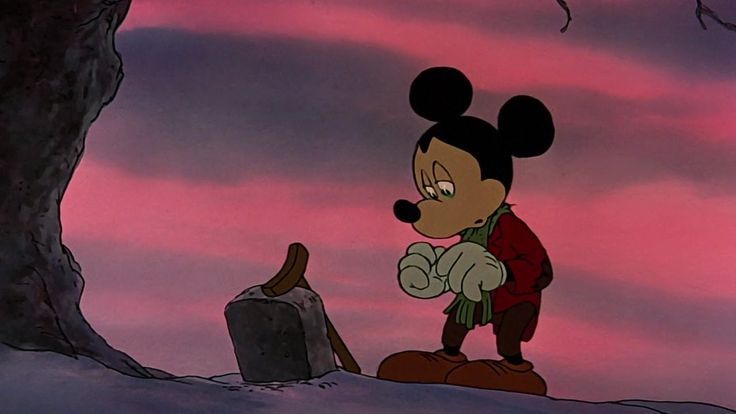
While the Disney brand has occasionally allowed their mascot to become a vehicle for more specific characterization, particularly through their animated adaptations of literary works, in many cases, these felt more like Mickey playing roles in a play. He was still a neutral figure easily redressed and repurposed for individual stories. Putting on a costume to represent a separate character not dissimilar to the aforementioned branding malleability that allows Mickey to dress up like Luke Skywalker or Iron Man on t-shirts and mugs.
The most expressive and uniquely creative that mickey has been in recent memory has been in Mickey Mouse Shorts (2013-2019), which leaned into the more irreverent and bizarre humor popularized in children’s animation throughout the late 90’s and mid-2000s. Following this trend of more random and expressive children’s animation, this Mickey was allowed to be more expressive, showing rage and fear in ways he hadn’t done since the early Walt Disney shorts.
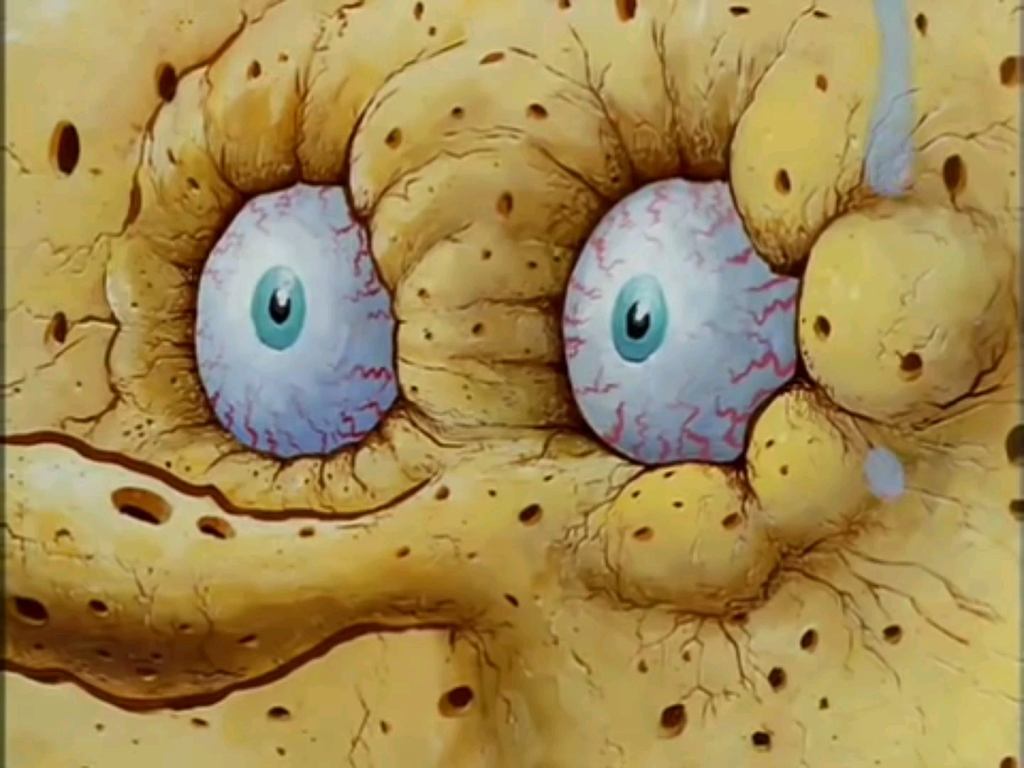
However, while this style of irreverent and bizarre humor was at one point consider risqué and, once again, subversive for children’s animation, Disney didn’t really participate in the creation or evolution of this style until much later. While shows like Ren and Stimpy(1991-1995), Spongebob Squarepants(1999-), or Courage the Cowardly Dog (1999-2002) tested the boundaries of children’s animation throughout the late 90s, Disney didn’t adopt this particular style until the mis 2010’s, way after this style of humor had become standard or even passé. Once again, Disney was only allowing Mickey to engage with styles that were already considered safe and accessible for mass audiences.
So how can one give back character to a figure which for years has been forced to function as a soulless corporate brand image? A movie like Barbie (2023), can perhaps provide a good example of doing exactly that.
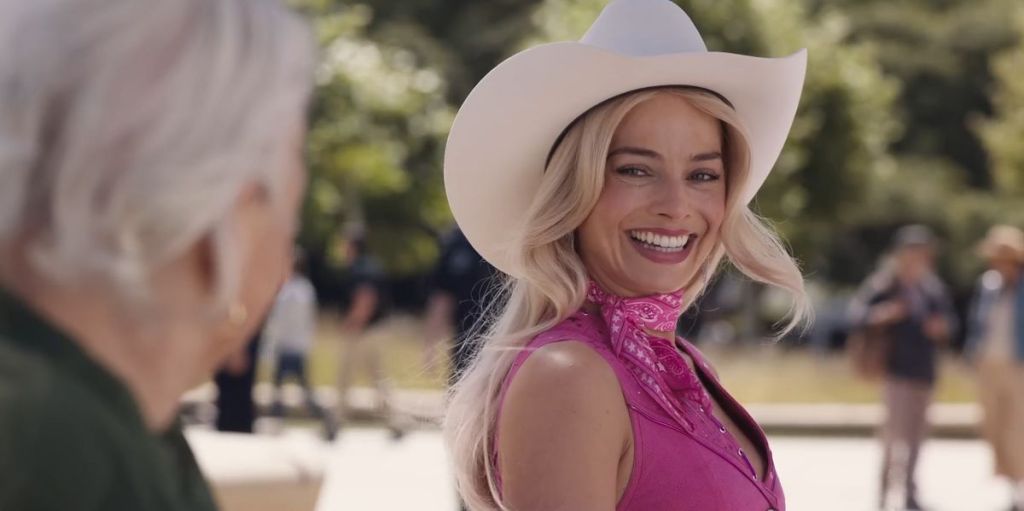
Greta Gerwig’s billion dollar hit Barbie proved that when given creative freedom, artists are able to reinvigorate even the most basic and superficial brand images into fully fledged and complex characters. Exploring the core concept of the Barbie doll through a satirical yet emotionally earnest lens, Gerwig was able to take the bland corporate image of Barbie and tell a deeply personal story that both acknowledged the icon’s problematic past while elevating its meaning for a contemporary and more socially aware audience. While it is practically a miracle that media conglomerate of Warner Bros. allowed Gerwig and company to take such a strange turn with its IP, it is almost impossible to image Disney allowing Mickey to ever be utilized in such a way.
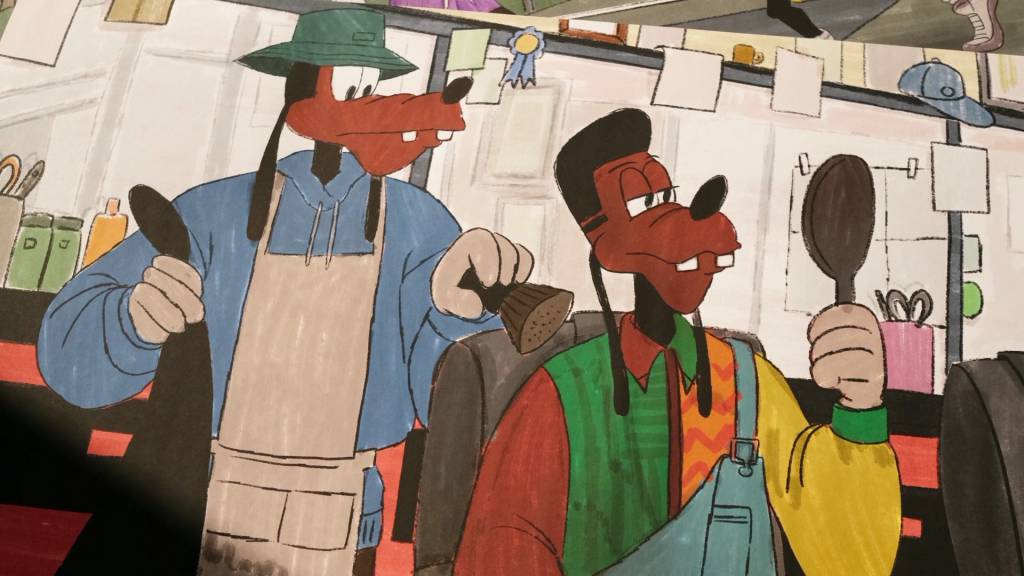
Of course, The Walt Disney company does have a history of allowing its artists to take irreverent and subversive takes on its most valuable IP. The Simpsons never stopped mocking Disney and Mickey even after the acquisition of Fox. The Kingdom Hearts franchise plays with Disney characters in a more action oriented and high fantasy style. The 1995 short Runaway Brain controversially featured a depraved an monstrous Mickey (which Disney has since tried to bury). Most recently and perhaps more boldly, Donald Glover was allowed to dedicated an entire episode of FX’s Atlanta to mocking their parent company and the character of Goofy in the acclaimed episode The Goof Who Sat By the Door (2022). The key word here being, “allowed.” While the occasionally introspective or irreverent take on their character’s HAS been allowed to exist within Disney’s own brand and subsidiaries, there are without a doubt countless of creative and unique takes on classic characters that were simply not given approval to be produced. But now there is no need to wait.
Mickey Mouse can now be used by individuals to express their existence through this recognizable and unique character. To express what Mickey means to them as a symbol of a more nostalgic time or as a repressive symbol of capitalism. A symbol of joy or a reminder or oppression. Everyone associates the character in a different way, and that’s what is exciting about his entrance into the public domain; you don’t need the permission of a corporate entity to approve or disapprove of your personal association to the character. And you can produce these works without the fear of a seize and desist (mostly). Works like Barbie (2023) and The Goof Who Sat By The Door (2022) give a glimpse of what is possible when artists take these large corporate icons and use them as vessels to tell deeply satirical, dark, funny, and ultimately personal stories. Personal. That’s what the public domain allows art to become.
Hell, Disney themselves built an entire empire out of public domain characters and stories by allowing artists to create their own unique takes on the beloved classics. The Lion King (1994), Beauty and the Beast (1991), Pinocchio (1942), all stories based on public works that artist used to tell their own personal stories, even through the hurdles of a corporate committee. Through these unique voices, Disney created what many consider to be the definitive versions of these public domain fairytales and novels.
And now Disney is in direct competition with the rest of the world to make the definitive version of Mickey Mouse. But the only way to make the definitive Mickey is to make the BEST one. Which it requires risk-taking and innovation. To risk of alienating a certain part of your audience, just as Barbie or some of the bolder Disney projects have done in the past. That’s the challenge that Disney now faces.
And that’s opportunity that the rest of us now have. Though good luck finding a distributor.
Anyway, Mickey Mouse’s Trap releases on March 2024.
 Enemy Unlocked